The Ultimate B2B Tech Marketing Funnel: How to Capture Both Today's Buyers and Tomorrow's Opportunities
By Orrett Davis
Here’s a shocking stat that might change how you think about B2B tech marketing: only 3-5% of your total market is actively looking to buy at any given moment. If you’re like most SaaS companies, you’re probably throwing most of your marketing budget at this tiny slice of the pie. But what about the other 97%?
After working with over 100 high-growth B2B tech companies, I’ve discovered something interesting: the most successful companies don’t just chase today’s buyers – they build relationships with tomorrow’s opportunities. Let me show you how to create a marketing funnel that does both.
Why Most B2B Tech Marketing Falls Short
Before we dive in, let’s address the elephant in the room: most B2B tech companies are stuck in what I call the “demo booking trap.” They’re running ads that scream “Book a Demo!” to everyone, regardless of where prospects are in their buying journey.
It’s like proposing marriage on the first date – sure, it might work occasionally, but you’re probably scaring away a lot of great prospects who just aren’t ready for that level of commitment yet.
The Full-Funnel Approach: Marketing for Both Today and Tomorrow
Let’s break down how to build a marketing funnel that works for companies selling high-ticket B2B tech solutions ($5,000+ annual contracts). This approach is especially powerful if you’re dealing with:
- Long sales cycles
- Multiple stakeholders
- Complex products
- High-value contracts
Top of Funnel: The Education Phase
For the unaware and problem-aware prospects. This is where you’re building awareness with:
- Industry pain points
- Feature spotlights
- “Old way vs. new way” comparisons
- Educational content
The goal isn’t to sell – it’s to educate and build recognition.
Middle of Funnel: The Consideration Phase
For solution-aware and product-aware prospects. Now you’re focusing on engagement through:
- Product differentiation stories
- Case studies
- Competitive comparisons
- User testimonials
Bottom of Funnel: The Decision Phase
For the most aware prospects. Here’s where you push for conversion with:
- Strong calls-to-action
- ROI calculations
- Extended case studies
- Direct comparisons
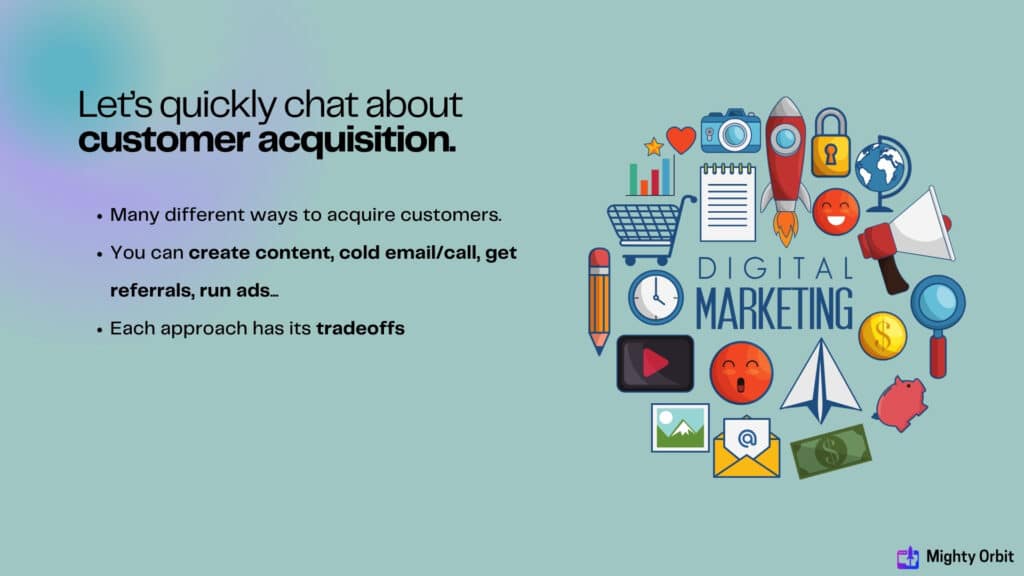
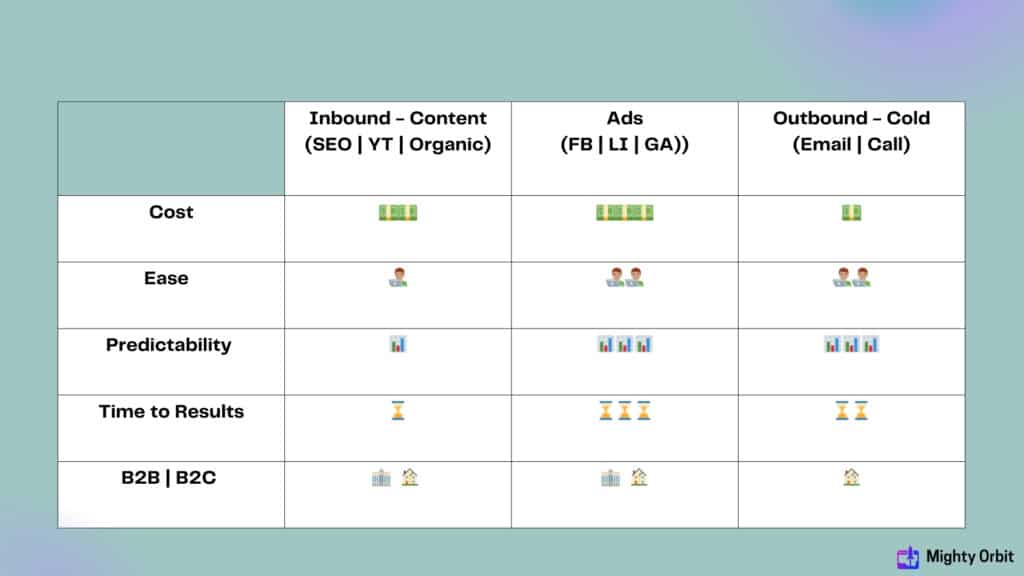
Pro Tips for Implementation
- Content Recycling: Don’t create new content for every stage. Repurpose your best-performing content with different angles.
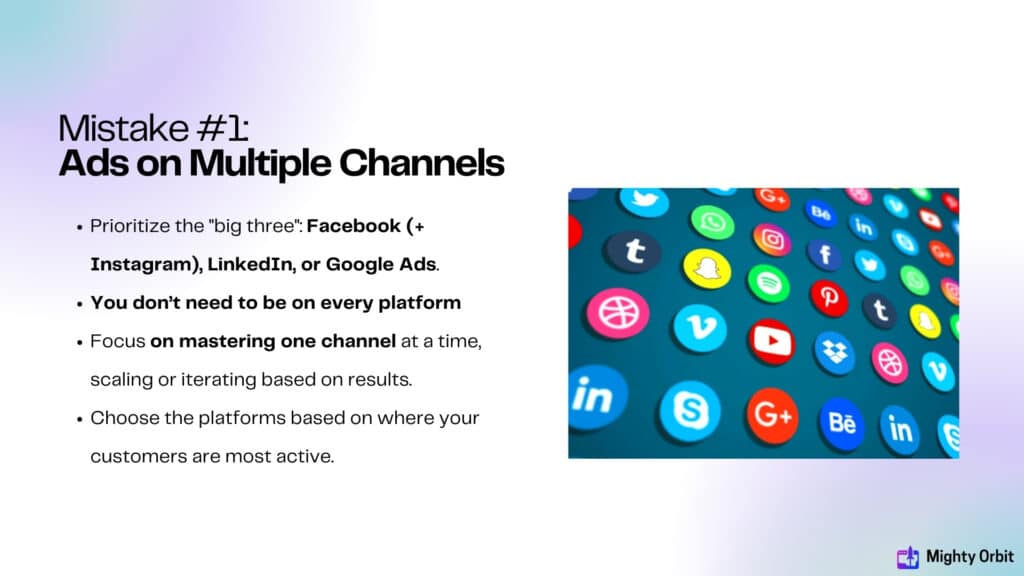
- Platform Selection: LinkedIn for top/middle funnel, Facebook for remarketing, Google for bottom-funnel searches.
- Budget Distribution: 40% top of funnel, 35% middle, 25% bottom.
The Magic of Remarketing
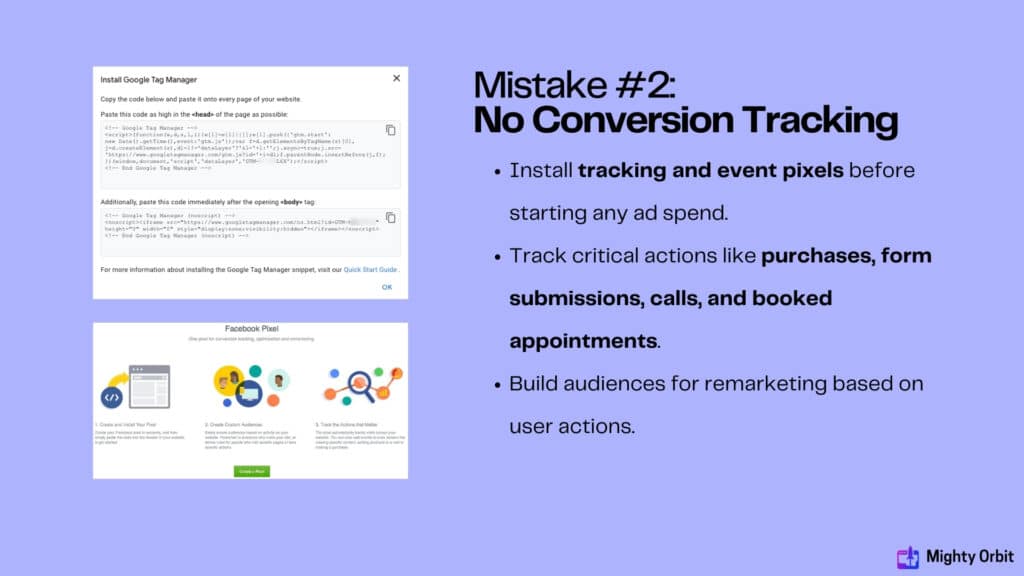
As prospects engage with your top-funnel content, build remarketing audiences for each stage:
- Website Visitors → Middle Funnel Content
- Case Study Readers → Bottom Funnel Offers
- Demo Page Visitors → Decision Content
The Bottom Line
Remember, you’re not just building a funnel – you’re building a relationship engine. While your competitors fight over the 3% of active buyers, you’ll be nurturing relationships with the other 97%.
Ready to transform your B2B ad strategy? Let’s work together to build campaigns that convert untapped buyers into loyal customers — Book a call today 📞
FAQ
What is a full-funnel ad strategy? A full-funnel ad strategy addresses every stage of the buyer’s journey, from awareness to decision-making.
Why focus on the 97% of prospects not ready to buy yet? By engaging prospects who are not yet ready to buy, you build trust and position your company as the preferred choice when they are ready.
What common mistake do B2B companies make with ads? Many focus solely on bottom-of-funnel ads, neglecting earlier stages of the funnel.
Can a full-funnel strategy shorten sales cycles? Yes! By nurturing leads with relevant messaging at each stage, you build trust and increase readiness to buy.
Can this strategy work for smaller B2B companies? Absolutely! A full-funnel strategy is scalable and can be tailored to different budgets and team sizes.